What and how old is our understanding of sulphur (sulfur)?
Understanding sulfur or sulphur
Nature of sulphur (sulfur)
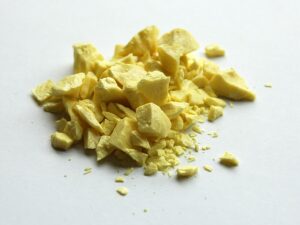
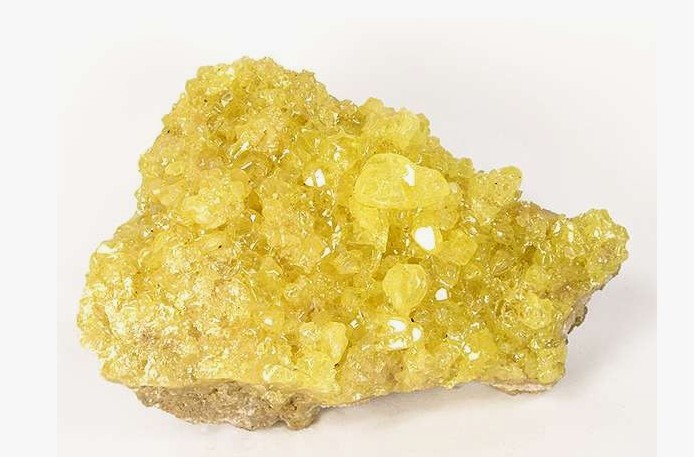
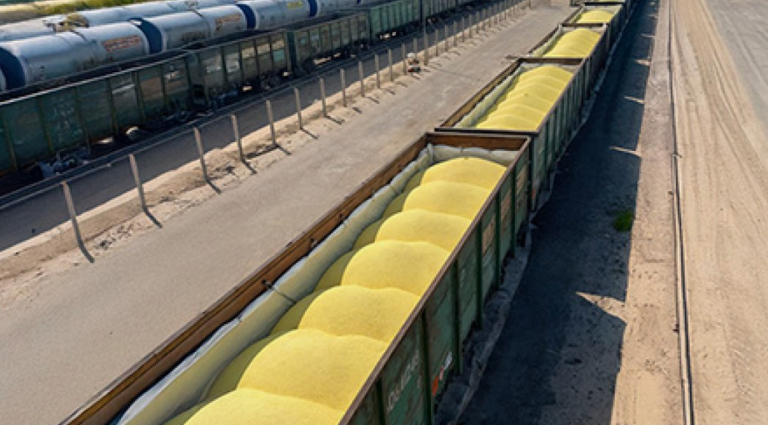
What is our understanding of sulphur (sulfur)? Sulfur is one of the oldest known chemicals. There isn’t a single person who can be credited with understanding or discovering it even though for most of history people didn’t know that sulphur is an element, not a mixture of different substances. Sulfur is an important industrial commodity now and Solarim Trading can supply sulphur (sulfur) from the Gulf and other regions, principally in the former Soviet Union such as Kazakhstan and Russia.
When was sulfur discovered?
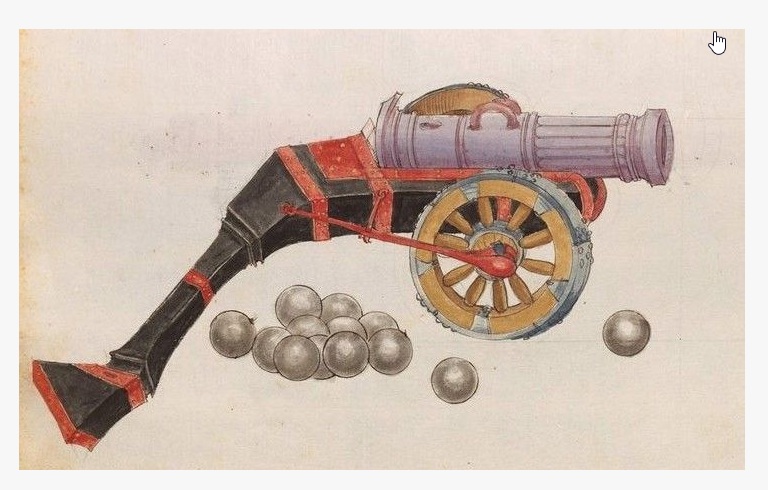
Sulfur has been known since ancient times, at least as far back as around 2000 BCE. Ancient civilizations encountered naturally occurring sulfur deposits, especially around volcanic areas though understanding of sulfur (sulphur) was limited.
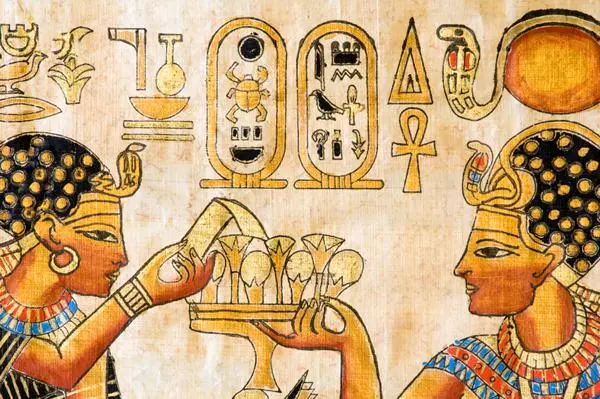
Egyptians in Ancient Egypt used sulfur in medicines and fumigation.
Ancient Greeks and Romans used it for things such as bleaching, medicines, and fumigation.
The Greek philosopher Homer mentioned the use of sulfur-containing substances around the 8th century BCE.
For much of history, sulfur was regarded as a substance or a mixture of substances rather than an element.

When was sulfur recognized as an element?
In 1777, French chemist Antoine Lavoisier argued that sulfur was an element, rather than a compound. The fate of Antoine Lavoisier was tragic though. Antoine Lavoisier who is considered to be the father of modern chemistry, was guillotined, murdered by “revolutionary” terrorists on May 8, 1794, in Paris during the Reign of Terror.
Lavoisier’s work helped establish the modern concept of chemical elements. Sulfur was therefore formally recognized as an element in the development of modern chemistry during the late 18th century.
How was sulfur obtained?
Modern industrial sulfur is primarily made by recovering it from petroleum and natural gas using the so called Claus Process, which converts waste hydrogen sulfide gas into high-purity elemental sulfur. A smaller portion is still mined underground using the Frasch hot-water process but sulfur that we offer as do most other importers come from natural gas and petroleum extraction.
- Wikipedia: Sulfur: Offers a comprehensive breakdown of the element’s history, chemical characteristics, abundance, and biological significance. [1]
- Britannica: Sulfur Definition & Facts: Provides foundational details on the physical properties of sulfur, its melting points, and its 30+ unique allotropic forms. [1]
- LibreTexts: Chemistry of Sulfur: Breaks down advanced inorganic concepts, molecule rings, and the behavior of liquid and gaseous sulfur states. [1, 2]
- Los Alamos National Laboratory: Periodic Table Profile: Features quick-glance scientific statistics, isotopic data, and classic manufacturing techniques. [1]