History of structural steel
A brief history of structural steel
Solarim Trading specializes in construction materials, structural steel and steel brokerage is our forte. This article is for educational use only. If you are looking for structural steel or steel products from the Gulf or the former Soviet Union (CIS), please contact the suppler.
1. Before steel: stone, timber and traditional iron
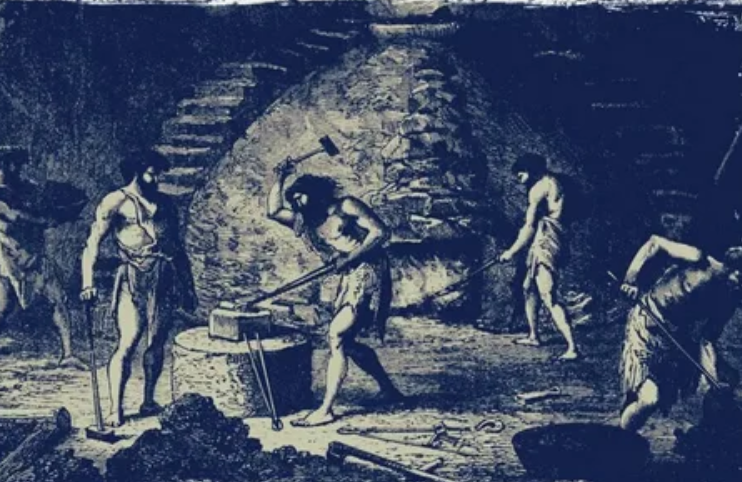
It is important to remember that structural steel and structural metal are not the same things. Metal as such iron has been used in construction for centuries while use of industrially produced steel is relatively recent.
For most of human history, large structures were built for the most part from stone, brick and timber. Iron was of course known in antiquity, but iron was difficult and expensive to produce in large quantities.
A major change occurred during the in the 18th century. Improvements in blast furnaces and ironmaking made cast iron widely available.
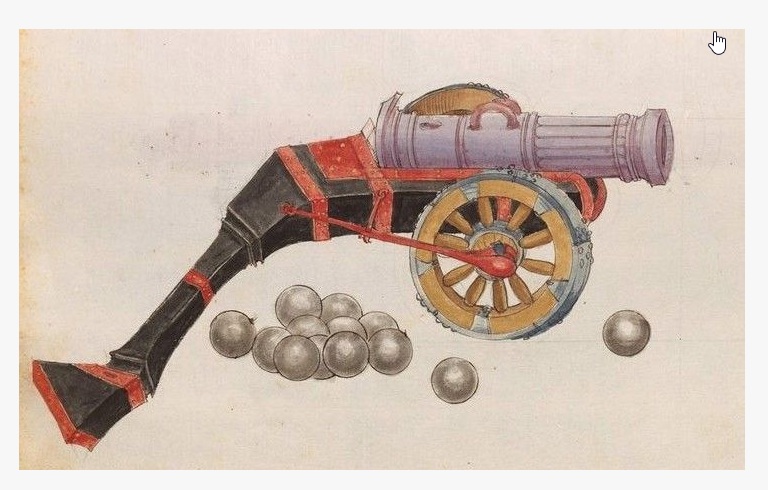
The problem with cast iron is its brittleness. It is a strong material, even cannon were made from cast iron, but it is brittle. Cast iron found applications in columns, arches and bridges, but making rebars out of cast iron is an unthinkable preposition.
2. Wrought iron takes over
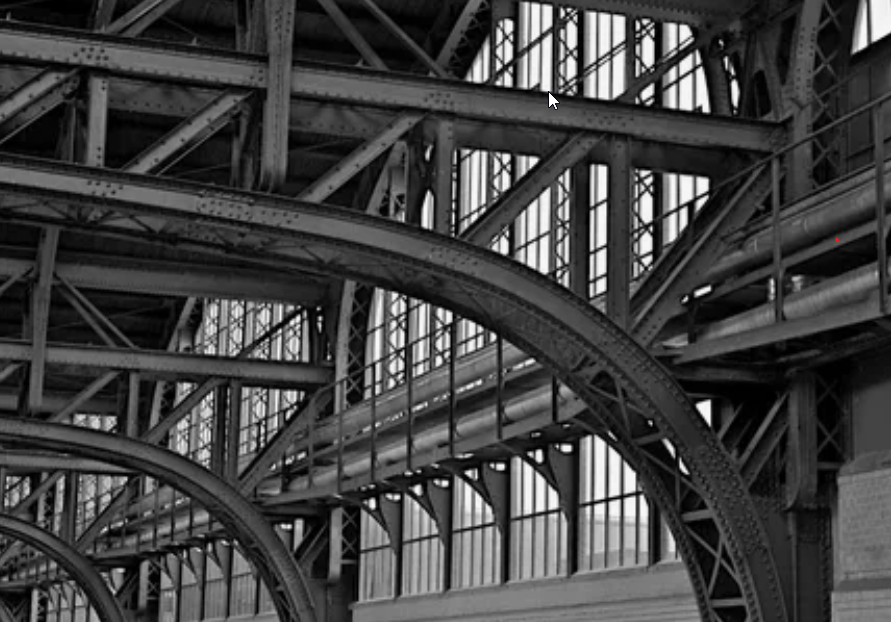
During the late 18th and especially the 19th century, wrought iron became increasingly important.
Unlike cast iron which is brittle, wrought iron was relatively ductile and could be worked into:
- plates
- bars
- angles
- beams
- truss members
This made it extremely useful for constructing bridges, railway stations, factories, markets and railway infrastructure that spread out around Europe and other continents.
The development of railways was particularly important. Industrial societies found themselves in need of enormous quantities of metal for bridges, stations, rails and industrial buildings.
The Eiffel Tower in Paris is a spectacular example of this period—but an important historical detail is that unlike popular belief it is not made of structural steel. It is made from puddled wrought iron. The official Eiffel Tower documentation explains that iron had become widely available for construction from the 1850s and that the Tower’s plates and profiles were assembled with rivets.
3. The breakthrough: mass-produced steel
The decisive step toward modern structural steel and construction as know it today came in the 1850s, when Henry Bessemer introduced his new process in 1856.
Before this development, steel existed (in fact it existed since Middle Ages and probably appeared in the Middle East, note Damascus steel) but was relatively expensive and difficult to manufacture in large quantities.
The Bessemer process made it possible to produce enormous quantities of steel cheaply and quickly. The Siemens-Martin open-hearth process, also known as just Martin process, subsequently became another major method of mass steel production.
This transformed steel from a specialized material into a fundamental industrial commodity.
This is the crucial distinction:
Iron structures dominated much of the early Industrial Revolution; mass-produced steel made the modern steel-frame era possible.
4. The rise of steel bridges and industrial structures
From approximately the 1870s onward, steel increasingly replaced wrought iron in major engineering applications and in construction of large buildings
Engineers and architects exploit steel’s combination of:
- high tensile strength
- high compressive strength
- ductility
- relatively low weight
- ability to be rolled into standardized sections
- ability to be riveted and later bolted and welded
This was particularly important for long-span bridges.
Large metal bridges demonstrated that structures could be made substantially lighter than traditional masonry construction while carrying enormous loads.
Gustave Eiffel’s brilliant career illustrates this transition particularly well. His company constructed numerous metal bridges and viaducts before the Eiffel Tower, using plates, angles and lattice members connected with rivet but then he constructed using steel.
5. The skyscraper revolution
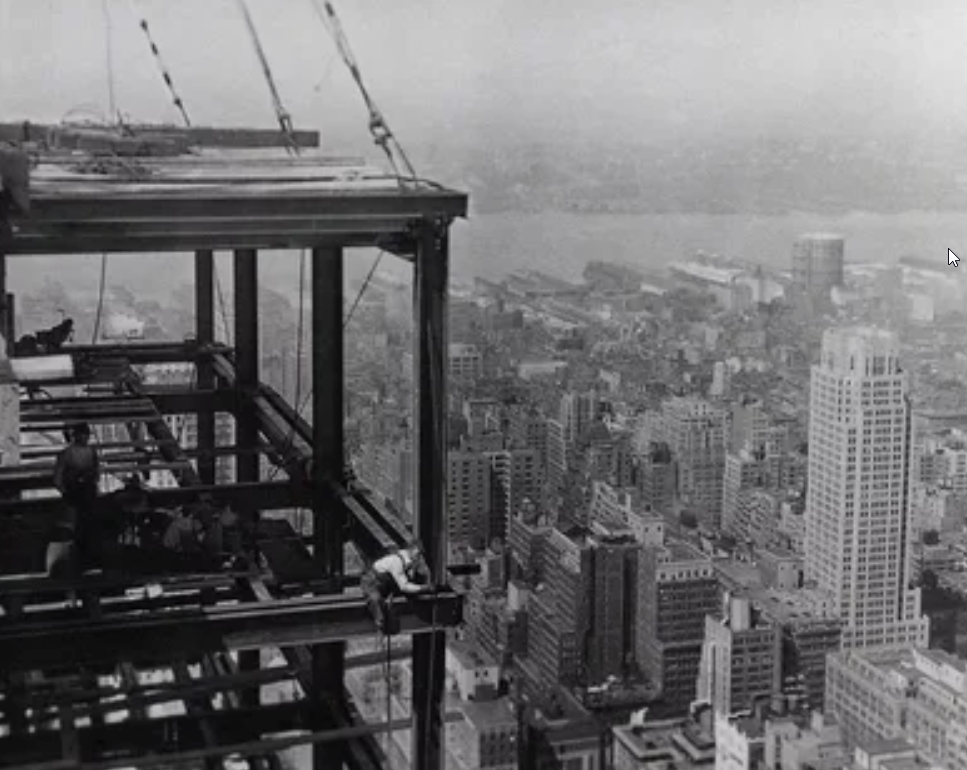
The most important architectural consequence of structural steel was the development of the steel-frame building.
Traditional masonry buildings had a fundamental limitation: as buildings became taller, the walls had to become enormously thick because they carried the weight of the floors and upper walls.
A steel frame changed the concept.
Instead of making the exterior walls carry the entire building, engineers could create a skeletal frame of columns and beams that carried the principal loads.
This allowed buildings to become dramatically taller.
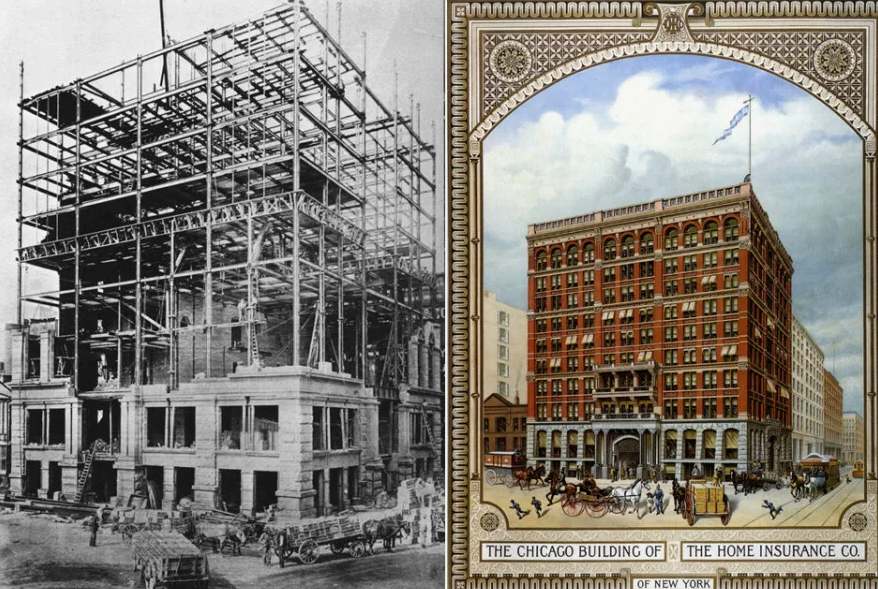
The development of steel-frame construction in the United States during the late 19th century therefore played a central role in the emergence of the modern skyscraper.
Chicago became one of the great centers of this development. Buildings such as the Home Insurance Building (1885) are traditionally associated with the beginning of the skyscraper era.
6. Structural sections become standardized
Another major development was the industrial production of standardized structural shapes.
Steel mills began producing standardized:
- I-beams
- H-beams
- channels
- angles
- tees
- plates
- bars
- later, hollow structural sections
This was enormously important commercially.
Instead of engineers designing every structural member as a unique piece, manufacturers could produce standardized products with known dimensions and mechanical properties.
That ultimately led to the modern world of steel grades and standards.
For example, today’s engineers may specify:
S235, S275, S355, S460 under European standards,
or various ASTM/AISC grades under the American system.
7. Rivets → bolts → welding
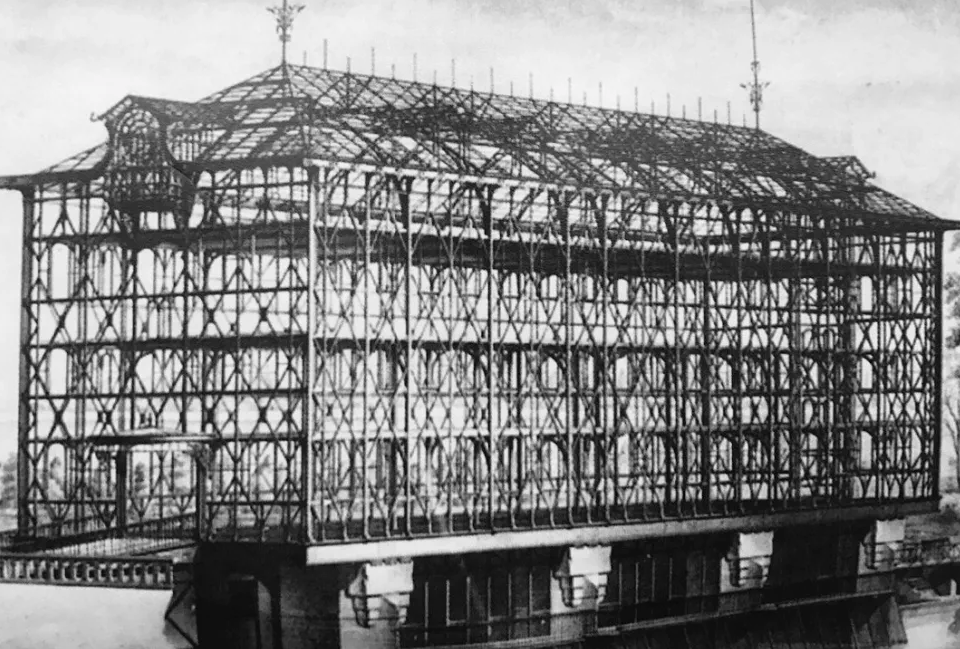
The technology used to connect structural steel also evolved.
19th century:
Riveted connections dominated.
Early–mid 20th century:
Bolted connections became increasingly important.
20th century onward:
Welding is now the principal method of joining structural steel. Joining steel parts with rivets is now almost unheard of.
8. The 20th century: steel becomes a global construction material
During the 20th century, structural steel became fundamental to:
- skyscrapers
- industrial plants
- warehouses
- bridges
- railway infrastructure
- power stations
- stadiums
- airports
- transmission structures
- offshore structures
- oil and gas facilities
Steelmaking itself also became increasingly sophisticated.
The development of basic oxygen steelmaking after World War II greatly increased productivity, while electric arc furnaces became particularly important for recycling scrap steel.
At the same time, metallurgy allowed producers to develop steels with increasingly controlled:
- carbon content
- alloy composition
- grain structure
- yield strength
- toughness
- weldability
9. Modern structural steel
Today, structural steel encompasses a large family of engineered products.
Modern structural steels can be designed for specific requirements such as:
- high yield strength
- low-temperature toughness
- improved weldability
- corrosion resistance
- seismic performance
- high-strength/low-alloy performance
- reduced structural weight
Modern construction also relies heavily on computerized structural analysis, standardized sections, automated fabrication, CNC cutting and drilling, robotic welding and sophisticated quality-control systems.
A useful historical timeline
| Period | Major development |
|---|---|
| Antiquity | Iron known and used but expensive and difficult to produce in quantities. |
| Middle Ages | Iron is used in construction but it is expensive and its usage is limited. |
| 18th century | Industrial production of cast iron expands |
| Early 19th century | Wrought iron increasingly used for bridges and public buildings |
| 1850s | Large-scale wrought-iron construction expands throughout Europe and Americas |
| 1856 | Bessemer steelmaking process invented |
| 1860s–1880s | Mass-produced steel increasingly replaces wrought iron |
| 1880s | Steel-frame construction is developed |
| 1889 | Eiffel Tower demonstrates the possibilities of large metal structures, however, it is made of puddled iron, not steel |
| Late 19th–early 20th century | Steel skyscrapers and major steel bridges proliferate |
| 20th century | Welding, alloy steels, open-hearth/basic oxygen steelmaking and standardized sections transform the industry |
| Late 20th–21st century | High-strength steels, computer design, advanced fabrication and global standards. Construction is unthinkable without structural steel. |