Solarim and Sulphur
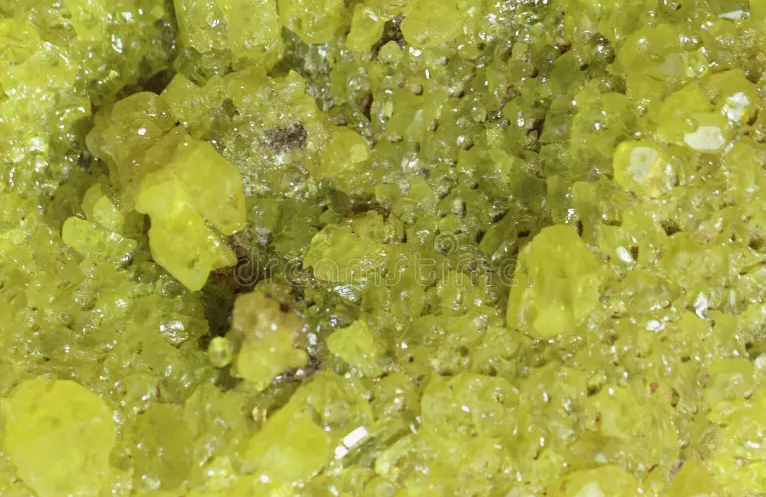
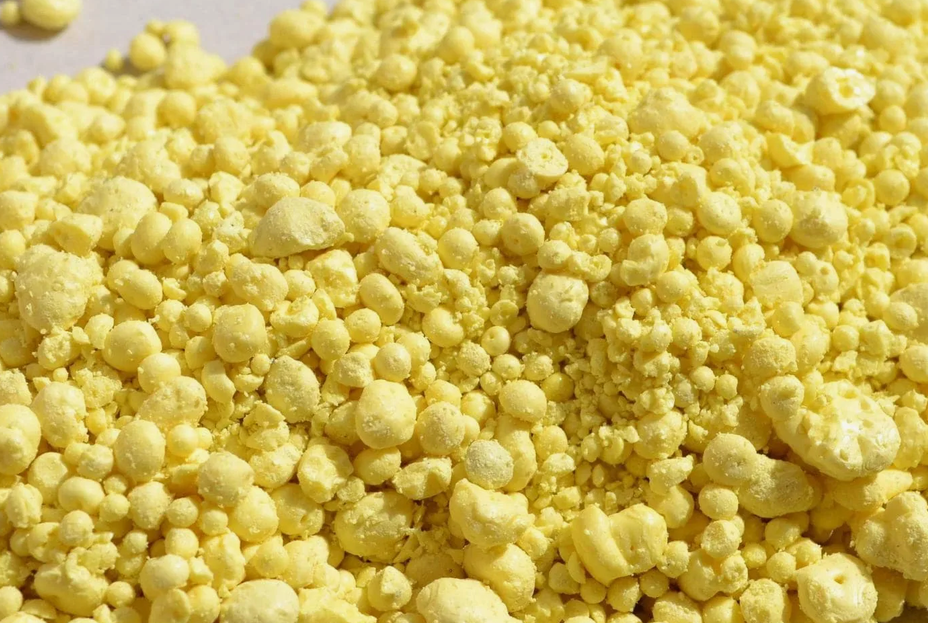
Solarim Trading supplies industrial grade sulphur (or sulfur) from the Gulf and other regions.
The Importance of Sulphur in Modern Industry
Sulphur is one of the most important industrial raw materials or commodities in the modern global economy. Although it is often associated with its distinctive yellow colour and strong historical presence in traditional industries and such fields as manufacture of gunpowder, sulphur today is a fundamental component of modern agriculture, chemical manufacturing, petroleum refining, mining, metallurgy, construction, and numerous other industrial sectors. In fact, many areas of modern life are unthinkable without sulphur. Civilized life as we know it depends on sulphur.
Its importance comes from the wide range of valuable chemical compounds that can be produced from it. In particular, sulphuric acid—manufactured predominantly from elemental sulphur—is one of the world’s most important industrial chemicals and a key building block for many essential products we enjoy every day.
A fundamental raw material for the chemical industry
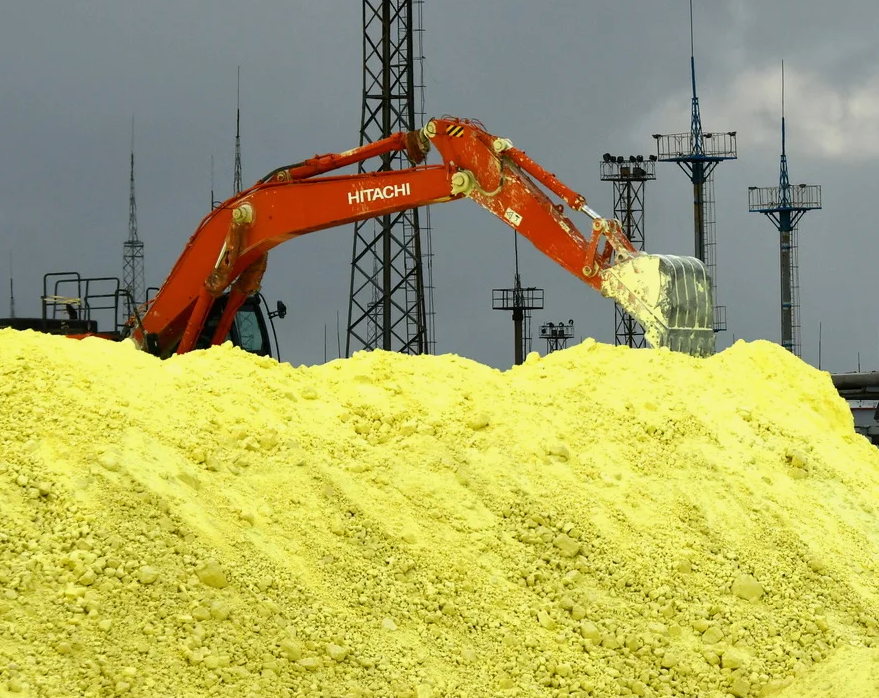
The largest and most significant industrial use of sulphur by far is the production of sulphuric acid (H₂SO₄). In industrial environment sulphur or sulfur is burned to produce sulphur dioxide, that is subsequently converted into sulphur trioxide and absorbed to produce sulphuric acid.
What sulphuric acid is needed for? Sulphuric acid is indispensable to modern industry. It is used in the manufacture of:
- phosphate fertilizers;
- mineral-processing chemicals;
- industrial chemicals;
- pigments and dyes;
- synthetic fibres and plastics;
- detergents;
- explosives;
- pharmaceuticals;
- batteries;
- water-treatment chemicals; and
- numerous other chemical products.
Because sulphuric acid is required in such a broad range of industrial processes, demand for sulphur is closely connected with global chemical production and agricultural development because sulphur is also used in fertilizer applications and demand on sulphur or sulfur in agriculture affects industrial supply. .

Sulphur and modern agriculture
One of the most important roles of sulphur is in the fertilizer industry. Plants require sulphur as an essential nutrient, alongside nitrogen, phosphorus, potassium and other elements.
Sulphur is particularly important for the production of amino acids and proteins in plants. Modern high-yield agriculture therefore requires an adequate supply of sulphur, especially in regions where intensive farming and reduced atmospheric sulphur emissions have lowered the amount of sulphur naturally returned to agricultural soils.
Elemental sulphur is also used directly as a soil amendment. When microorganisms in the soil oxidize elemental sulphur, it can help reduce soil pH, making certain nutrients more available to plants. This makes sulphur valuable not only as a nutrient but also as an agricultural soil-management material.
An even larger connection with agriculture comes through phosphate fertilizers. Sulphuric acid is used to process phosphate rock and is fundamental to the manufacture of products such as phosphoric acid, superphosphate and various phosphate fertilizers.
Consequently, sulphur is essential to the global food supply chain.

Petroleum refining
The petroleum industry is another major source of both sulphur supply and sulphur demand.
Many crude oils and natural gas streams contain sulphur compounds. Modern refineries must remove these compounds to meet fuel-quality and environmental requirements. Processes such as hydrodesulphurization convert sulphur compounds into hydrogen sulphide, which can subsequently be processed into elemental sulphur, commonly through the Claus process.
As a result, the petroleum and natural-gas industries are among the world’s principal sources of commercially recovered elemental sulphur.
This creates an important industrial relationship: sulphur is simultaneously removed from fuels as an impurity and recovered as a valuable industrial commodity.
The recovered sulphur can then enter the chemical and fertilizer industries, particularly for sulphuric-acid production.

Mining and mineral processing
Sulphur and sulphuric acid play important roles in the mining industry.
Sulphuric acid is widely used in hydrometallurgy, where it helps extract metals from ores and concentrates. This is particularly important for the production of copper, nickel, uranium and certain other metals.
In copper production, for example, sulphuric acid can be used in leaching processes that dissolve copper-bearing minerals, allowing the metal to be subsequently recovered from solution.
The growth of demand for metals required for electrification, renewable energy, batteries and modern infrastructure makes efficient mineral processing increasingly important—and therefore reinforces the importance of sulphuric acid and sulphur-based chemistry.

Metallurgy and metal treatment
Sulphur compounds are also used in metallurgy, metal manufacturing, metal working and metal processing. Sulphur or sulfur compounds are utilized in processes for extraction, refining and modifying metals and metallic alloys.
Sulphur is important to the production of certain chemicals used in metal treatment, while sulphuric acid is used in processes such as pickling and surface treatment of metals.
In steel manufacturing, sulphur is generally considered an undesirable impurity in hot rolled and cold rolled steel when it is present above controlled levels. Nevertheless, sulphur chemistry remains important in specialized metallurgical processes, and carefully controlled sulphur additions can be used in the production of certain free-machining steels. That’s why metallurgy is an important consumer of industrial grade sulphur.
Industrial significance of sulphur extends beyond its direct use as a material to the broader chemistry required for modern metal production.

Rubber and tyre manufacturing
Sulphur has a particularly important role in the rubber industry through the process known as vulcanization.
During vulcanization, sulphur creates cross-links between polymer chains in natural or synthetic rubber. This transforms soft rubber into a stronger, more durable and elastic material.
Sulphur-vulcanized rubber is used extensively in:
- automobile tyres;
- industrial belts;
- hoses;
- seals and gaskets;
- vibration-control components;
- footwear;
- mechanical products; and
- numerous consumer goods.
The development of sulphur vulcanization was a major technological milestone in the history of modern industry and remains fundamental to rubber manufacturing today.

Chemical manufacturing
Sulphur is used to manufacture a broad family of sulphur-containing chemicals.
These include sulphur chlorides, sulphites, sulphates, sulphides and other sulphur compounds used as intermediates, processing agents and specialized industrial chemicals.
Sulphur chemistry is important in the manufacture of products ranging from pigments and polymers to pharmaceuticals, agrochemicals and specialty chemicals.
Because sulphur can exist in several oxidation states and form stable bonds with many other elements, it provides chemical properties that cannot easily be replaced by other elements.

Pharmaceuticals and healthcare
Sulphur-containing compounds are found in many areas of pharmaceutical chemistry.
A number of important pharmaceutical molecules contain sulphur atoms, while sulphur compounds are also used as chemical intermediates in the manufacture of medicines.
Sulphur and sulphur-containing compounds have historically been used in dermatological preparations and other medical applications. Modern pharmaceutical chemistry continues to make extensive use of sulphur because of its ability to modify the physical, chemical and biological properties of molecules.

Agrochemicals and crop protection
Sulphur is also used directly in crop-protection products.
Elemental sulphur has long been used as a fungicide and acaricide in agriculture. It can be particularly useful against certain fungal diseases and mites.
Sulphur-based compounds are also employed in the manufacture of various pesticides and other agricultural chemicals.
This gives sulphur a dual importance in agriculture: it is both a plant nutrient and a raw material for crop-protection products.

Pulp and paper industry
Sulphur compounds have an important role in pulp and paper production.
Sulphur-based chemicals are involved particularly in the kraft pulping process, one of the dominant methods used to manufacture wood pulp. Sodium sulphide and sodium hydroxide are used to break down lignin and separate cellulose fibres from wood.
Although elemental sulphur is not simply incorporated into paper, sulphur chemistry is essential to the chemical processes underlying a major global industry.

Batteries and energy technologies
Sulphur has attracted increasing attention in the energy sector.

Traditional lead-acid batteries use sulphuric acid as their electrolyte, making sulphur an important component of a mature and globally significant energy-storage technology.
At the same time, sulphur is being investigated and developed for advanced battery technologies, particularly lithium-sulphur batteries. Sulphur offers attractive theoretical energy-storage characteristics and is abundant compared with some materials used in conventional battery technologies.
Although large-scale commercialization of advanced sulphur batteries remains a developing field, sulphur is increasingly relevant to discussions about future energy storage.

Construction and infrastructure
Sulphur-based materials also have applications in construction and infrastructure.
Sulphur can be incorporated into specialized binders and construction materials, while sulphuric acid and sulphur-derived chemicals are used in the production of materials and chemicals required throughout the construction supply chain.
Sulphur chemistry is therefore connected indirectly to cement, concrete, coatings, insulation, plastics and other construction-related materials.

Water treatment
Sulphur compounds are used in several water-treatment applications.
Sulphuric acid can be used to adjust pH and support industrial water-treatment processes. Sulphur-based chemistry is also involved in certain methods for removing contaminants and treating industrial wastewater.
In large industrial facilities, the ability to control acidity and chemical composition is essential for both process efficiency and environmental compliance.

Explosives, matches and traditional applications
Sulphur also has a long history in energetic materials and ignition products.
Historically, sulphur became an important component of black powder, where it contributed to the combustion characteristics of the mixture. Sulphur has also traditionally been used in safety matches and other ignition products.
These applications are historically important in understanding the development of sulphur chemistry, although modern industrial demand for sulphur is dominated overwhelmingly by agriculture, sulphuric-acid production and other chemical applications rather than these traditional uses.
Why sulphur remains strategically important
The importance of sulphur in the twenty-first century is ultimately a consequence of its position at the intersection of several essential industries.
It connects:
oil and gas → sulphur recovery → sulphuric acid → fertilizers → agriculture → food production
while also connecting:
sulphur → sulphuric acid → mineral processing → metals → infrastructure, energy and technology.
This makes sulphur more than simply a commodity. It is a critical industrial feedstock supporting several of the fundamental systems of the global economy.
The importance of sulphur is particularly evident in the fertilizer sector. The world’s agricultural system depends heavily on phosphate fertilizers, and the production of many phosphate fertilizers requires large quantities of sulphuric acid. Consequently, reliable availability of sulphur can have implications extending far beyond the sulphur market itself.
The global sulphur market
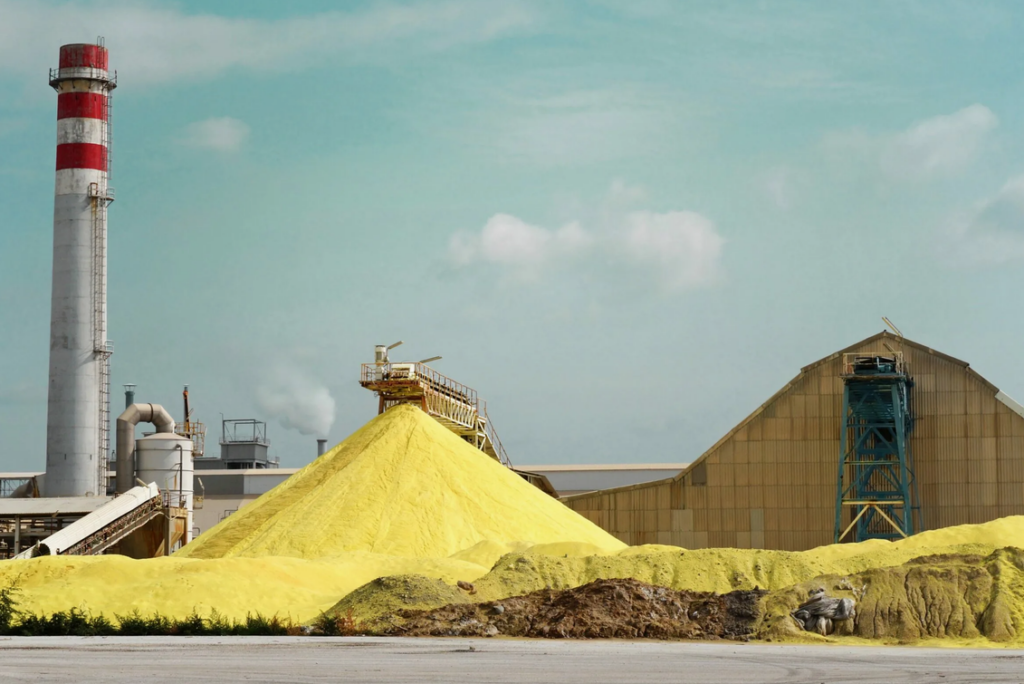
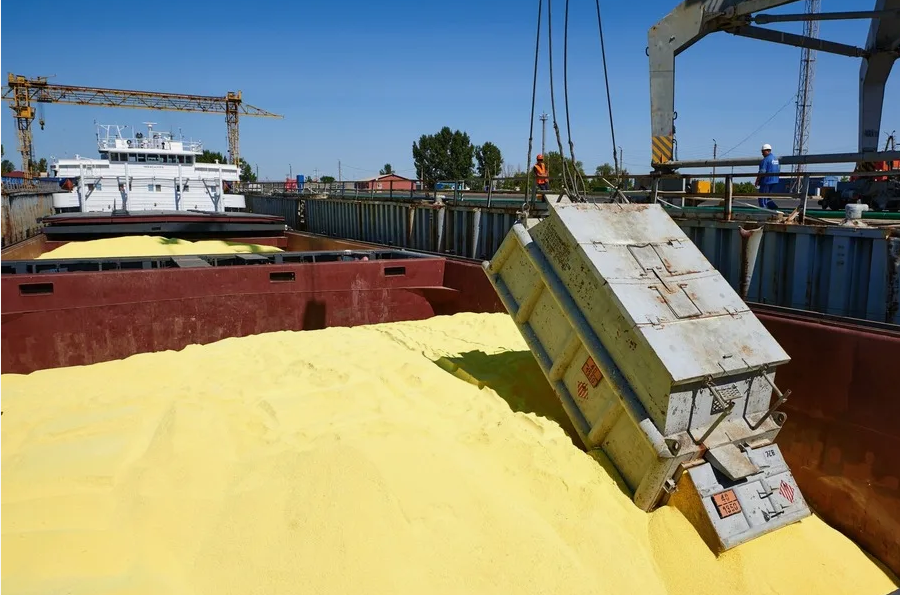
Most commercially traded elemental sulphur is recovered as a by-product of oil and natural-gas processing rather than mined specifically for sulphur. Major producing regions therefore include areas with significant petroleum-refining and natural-gas-processing capacity.
Sulphur is commonly transported internationally in several forms, including solid bulk sulphur and other commercially prepared forms. Its relatively high concentration of sulphur makes elemental sulphur an efficient feedstock for sulphuric-acid production.
For commodity traders and industrial consumers, sulphur is therefore an important global raw material whose availability, logistics, quality, freight costs and regional supply-demand balances can influence the economics of fertilizer and chemical production.
Conclusion
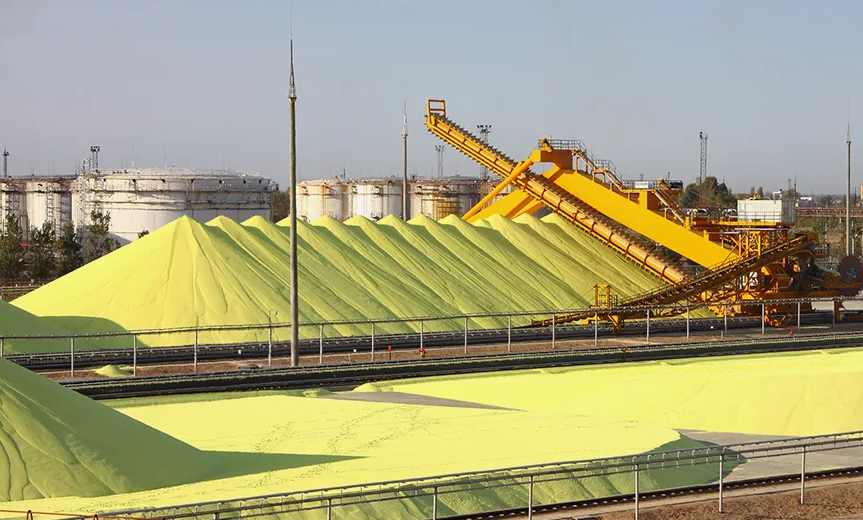
Sulphur occupies a unique position in modern industry. It is simultaneously an essential agricultural nutrient, a major chemical feedstock, a critical component of sulphuric-acid production, an important material in rubber manufacturing, a key element in mineral processing and a valuable input into numerous other industrial processes.
Its significance is perhaps best summarized by the central role of sulphuric acid. From fertilizer production and mining to chemical manufacturing and industrial processing, sulphur-derived chemistry supports activities that are fundamental to modern civilization.
As global agriculture seeks to increase productivity, mineral demand grows with electrification and infrastructure development, and industries continue to expand their need for chemical raw materials, sulphur is likely to remain an important strategic industrial commodity for decades to come.
External links:
1. Sulphur industry organizations
- The Sulphur Institute (TSI) — the principal international industry association representing sulphur and sulphuric-acid stakeholders, including producers, consumers, marketers and logistics companies.
The Sulphur Institute - TSI – About & Programs — information about its sulphuric acid, EHS, transportation, logistics and industry programs.
TSI Mission and Programs - TSI – Industry Links — particularly useful directory containing links to fertilizer associations, chemical organizations and other sulphur-related resources.
TSI Industry Links
2. Sulphuric acid
- European Sulphuric Acid Association (ESA) — the European industry group for producers and other stakeholders involved with sulphuric acid, oleum, sulphur trioxide and sulphur dioxide.
European Sulphuric Acid Association - The Sulphur Institute – Sulphuric Acid Program — information concerning the sulphuric-acid industry and related technical and regulatory issues.
TSI Sulphuric Acid Program
3. Sulphur market intelligence and publications
- CRU – Sulphur Magazine — one of the most useful commercial sources for sulphur and sulphuric-acid market information. It covers refining, sour gas, metals, chemicals, fertilizers, projects, shipping, statistics and market outlooks.
CRU Sulphur Magazine - Sulphur + Sulphuric Acid Conference — major international industry event covering sulphur, sulphuric acid, refining, fertilizers, mining and related industries.
Sulphur + Sulphuric Acid Conference
4. Sulphur and fertilizers
- TSI – Sulphur Fertilizers — useful technical information about elemental sulphur, sulphate fertilizers, liquid sulphur fertilizers and combined sulphur fertilizers.
Sulphur Fertilizer Types - International Fertilizer Association (IFA) — one of the principal international organizations representing the fertilizer industry. TSI includes IFA among its industry links.
International Fertilizer Association via TSI links - Fertilizer Association of India (FAI) — important for fertilizer and sulphur-related developments in the Indian market. TSI lists FAI among its affiliate organizations.
Fertilizer Association of India via TSI
5. Sulphur applications and technical information
- TSI – “Sulphur: An Advantaged Element” — explains the importance and applications of sulphur across industry and agriculture.
Sulphur — An Advantaged Element - TSI Learning Portal — educational and technical resources concerning sulphur and sulphuric acid.
TSI Learning Portal - TSI Newsroom — industry news, developments, regulatory issues and sulphur-related publications.
TSI Newsroom