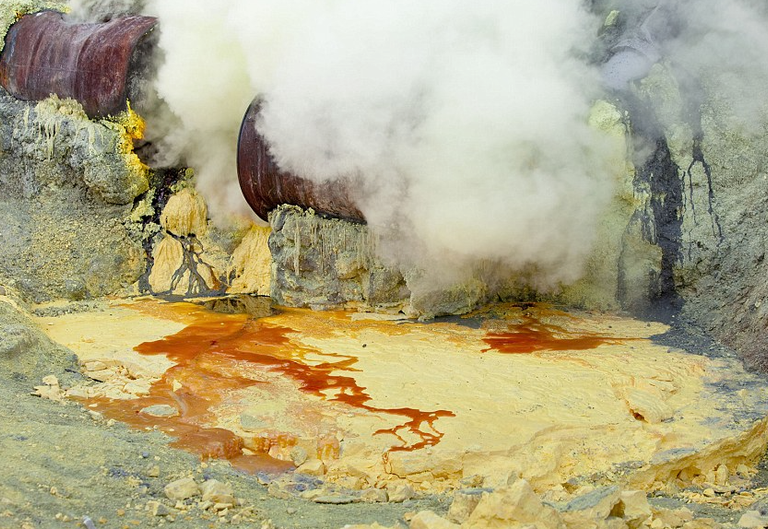
Use of sulphur in gunpowder
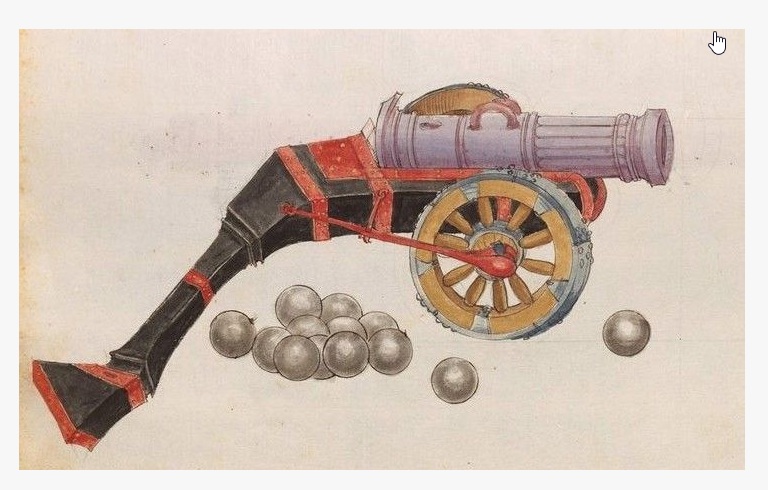
Sulphur and gunpowder are inseparable. Sulphur or sulfur one of the three traditional ingredients of black powder, alongside with charcoal and potassium nitrate (saltpeter). Use of sulphur in making gunpowder is perhaps the first large scale industrial application of sulphur.
This article is for educational use. However if you are here to procure industrial sulphur (sulfur) from the Gulf or other regions, please contact the prime supplier of sulphur.
The role of sulphur
Traditionally, black powder has consisted of three ingredients
- Potassium nitrate (saltpeter) — supplied oxygen for rapid combustion.
- Charcoal — provided much of the fuel.
- Sulphur — helped the mixture ignite more readily and burn rapidly.
Sulphur’s relatively low ignition temperature was particularly important. It helped initiate combustion and made the overall mixture easier to ignite. It also contributed to the rapid propagation of the burning reaction. The percentage of saltpeter, charcoal, and sulphur varied over the time. For example, the traditional French military black powder formula from 1879 used 75% saltpeter (potassium nitrate), 12.5% charcoal, and 12.5% sulfur by weight.
A brief history
Ancient China — around the 9th century
The earliest well-documented development of gunpowder occurred in China. Chinese alchemists experimenting with substances including sulphur and saltpeter eventually discovered mixtures capable of rapid combustion. Early references to gunpowder-like compositions appear in Chinese texts from the 9th century. However, peace-loving Chinese used gunpowder mixtures mainly for signals and eventually fireworks, not as weapons.
10th–12th centuries
However later Chinese military technology developed increasingly sophisticated applications, including incendiary devices and early gunpowder weapons. Sulphur remained an important component of the traditional black-powder composition.
Europe — 13th–14th centuries
Knowledge of gunpowder technology gradually reached the Islamic world and Europe. By the 14th century, Europeans were using gunpowder in then heavy firearms and artillery.
Sulphur was particularly valuable because it made black powder relatively easy to ignite compared with charcoal and saltpeter alone.
Europe — 14th–17th centuries
Gunpowder became increasingly important in warfare. Improvements in manufacturing, purification of ingredients and processing produced increasingly consistent gunpowder for cannon, muskets and other firearms.
By this period, sulphur was firmly established as one of the three main component of traditional black powder.
Why sulphur was chemically important
One useful way to understand its importance is the key role in plays in gunpowder.
Saltpeter = oxidizer
Charcoal = principal fuel
Sulphur = facilitates ignition and rapid combustion
The combination transformed materials that normally burn relatively slowly into a composition capable of producing a very rapid gas-producing reaction. That rapidly expanding gas is what made gunpowder useful for propulsion and artillery.
Because all historically recent Empires rose with the use of gunpowder, existence of which was impossible without sulphur, one can claim that it was sulphur that shaped the modern world.

If you need industrial grade sulphur (or sulfur) for any application that requires sulphur (or sulfur), contact the supplier.
Some further links:
- Royal Society of Chemistry — “Introduction to Explosives: The Chemistry of Explosives”
A good modern chemistry reference. It discusses black powder as a combination of potassium nitrate, charcoal and sulphur, including the historical development of the material.
Royal Society of Chemistry — Introduction to Explosives - Elsevier / ScienceDirect — “Sulfur in History: The Role of Sulfur in ‘Black Powder’”
This is particularly relevant to your question. It is a scholarly chapter devoted specifically to the chemical role of sulphur in black powder, including proposed reaction mechanisms.
ScienceDirect — Sulfur in History: The Role of Sulfur in “Black Powder” - Royal Society of Chemistry — “Historical Introduction: The Chemistry of Fireworks”
Excellent for understanding how sulphur, saltpetre and charcoal came together historically and chemically in early gunpowder.
Royal Society of Chemistry — Historical Introduction
Historical sources
- U.S. National Park Service — “Gunpowder”
A concise historical explanation of the traditional ingredients and the development of black powder.
U.S. National Park Service — Gunpowder - 1911 Encyclopaedia Britannica — “Gunpowder”
A fascinating historical source describing the use of sulphur in gunpowder and, in particular, its influence on the rate of burning.
1911 Encyclopaedia Britannica — Gunpowder - History of the Royal Society — “The History of Making Gun-Powder”
An older historical account discussing the traditional ingredients—saltpetre, brimstone (sulphur) and coal—and how historical writers described them.
History of the Royal Society — The History of Making Gun-Powder