Sulphur and Hell in Christian religion
The association of sulphur (also sulfur) with hell in Christianity
The association of sulphur with hell in Christianity comes from a combination of Biblical imagery, ancient observations of nature, and the frightening physical properties of burning sulphur.
We hope you are reading that for educational purposes only. In case, however, if you are looking for industrial grade sulphur from the Gulf or other regions, please write to us.
🔥 The story begins with “fire and brimstone”
In older English translations of the Bible, sulphur is often called “brimstone.” The word became famous through the Biblical expression:
“fire and brimstone”
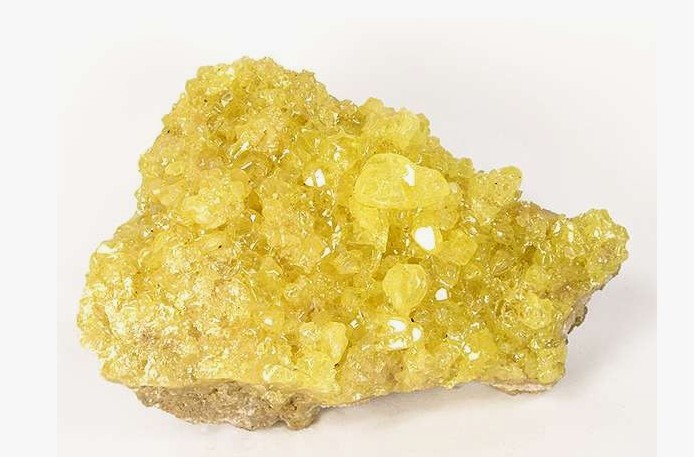
To ancient people, sulphur was a very mysterious substance. It was yellow, found near volcanoes and hot springs, and when burned it produced a strong, choking, unpleasant smell. Volcanoes also released sulphurous gases along with fire, smoke, and explosions.
Imagine what this looked like thousands of years ago: the earth opening, flames and smoke rising, poisonous-smelling fumes filling the air. It was easy to imagine such places as openings into an underworld.
🌋 Volcanoes helped create the imagery


5
People living near volcanic regions could see yellow sulphur deposits around volcanic vents and smell sulphurous gases. These dramatic natural phenomena strongly influenced ancient ideas about divine punishment and the underworld.
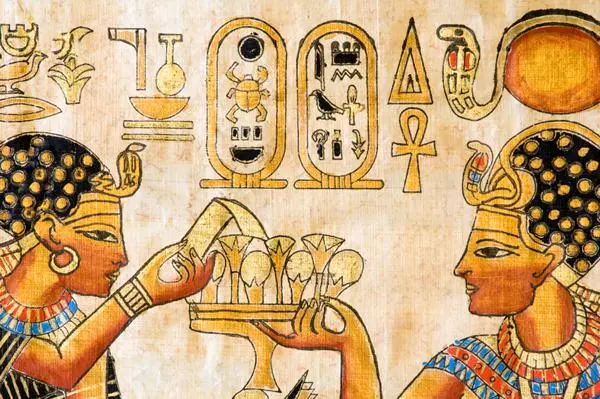
But Christianity did not invent the association from scratch—it inherited much of this imagery from ancient Jewish religious tradition and the wider ancient Mediterranean world.
📖 Sodom and Gomorrah: sulphur as divine punishment
One of the most important Biblical stories is the destruction of Sodom and Gomorrah.
In Genesis, the cities are destroyed by a catastrophic rain of fiery material described in many English translations as “brimstone and fire.”
This established a powerful religious image:
Sulphur + fire = God’s terrible judgment.
From that point onward, brimstone became symbolically connected with destruction, punishment, and divine wrath.
🔥 The “lake of fire and brimstone”
The connection becomes even stronger in the Book of Revelation.
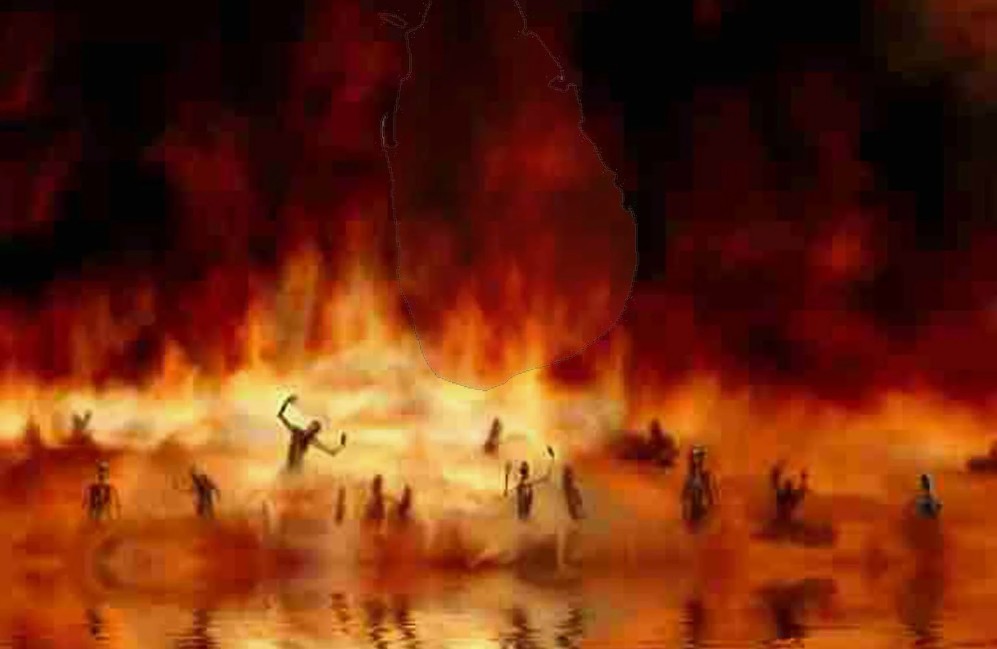
Revelation describes a final place of punishment using the image of a lake burning with fire and sulphur (brimstone).
This imagery became deeply embedded in Christian imagination. Over centuries, artists, preachers, and writers pictured hell as a terrifying place filled with:
- Fire 🔥
- Smoke 💨
- Darkness 🌑
- Torment
- The smell of sulphur
This is where the popular expression “fire and brimstone preacher” comes from—a preacher who emphasizes hell, judgment, and punishment.
🟡 Why sulphur was such a powerful symbol
Sulphur was almost perfectly suited to ancient ideas of hell because of its physical characteristics:
- It is bright yellow, giving it an unnatural and striking appearance.
- It burns, connecting it naturally with fire.
- Burning sulphur produces choking sulphur dioxide, creating a harsh, suffocating atmosphere.
- It occurs around volcanoes, which ancient people often saw as terrifying supernatural landscapes.
So the symbolism was reinforced by real experience.
A simple way to think about it
Volcanoes gave people the visual experience.
⬇️
Sulphur gave them the smell and smoke.
⬇️
Biblical stories gave these things religious meaning.
⬇️
Christian tradition turned “fire and brimstone” into the popular image of hell.
An interesting detail: does hell literally smell like sulphur?
The famous idea that “hell smells of sulphur” is largely a result of religious imagery and later popular imagination. The Bible uses sulphur/brimstone as part of powerful descriptions of judgment and destruction, rather than giving us a scientific description of the smell of a literal place.
So, in a sense, sulphur became the smell of hell because it already smelled like something ancient people associated with volcanoes, destruction, poison, fire, and death.
That is the fascinating story of sulphur in Christian imagination: a yellow mineral emerging from the fiery earth became, through Biblical symbolism, one of humanity’s most powerful images of divine judgment and hell.
There is no need to descent to hell in order to obtain sulphur. You can procure lump and granular sulphur from Persian Gulf countries and the former Soviet Union including Kazakhstan and Russia. If you or your client need lump or granular sulphur, do not hesitate to contact us.