
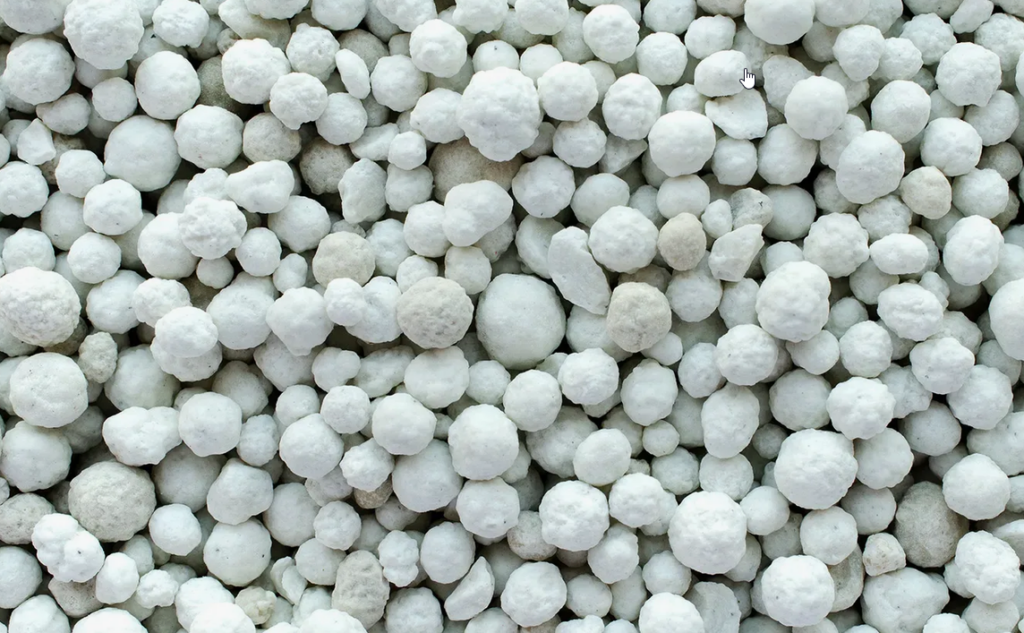
Solarim Trading is a supplier of industrial inorganic fertilizers. Fertilizers are essential for modern agriculture, in fact, at the present stage, humanity cannot survive without them.
Among them are sulfate-sulfur fertilizers: Water-soluble forms like ammonium sulfate or potassium sulfate that plants can use immediately.
Elemental sulfur: Solid sulfur that soil microbes must slowly convert into sulfate before plants can absorb it.
As well as
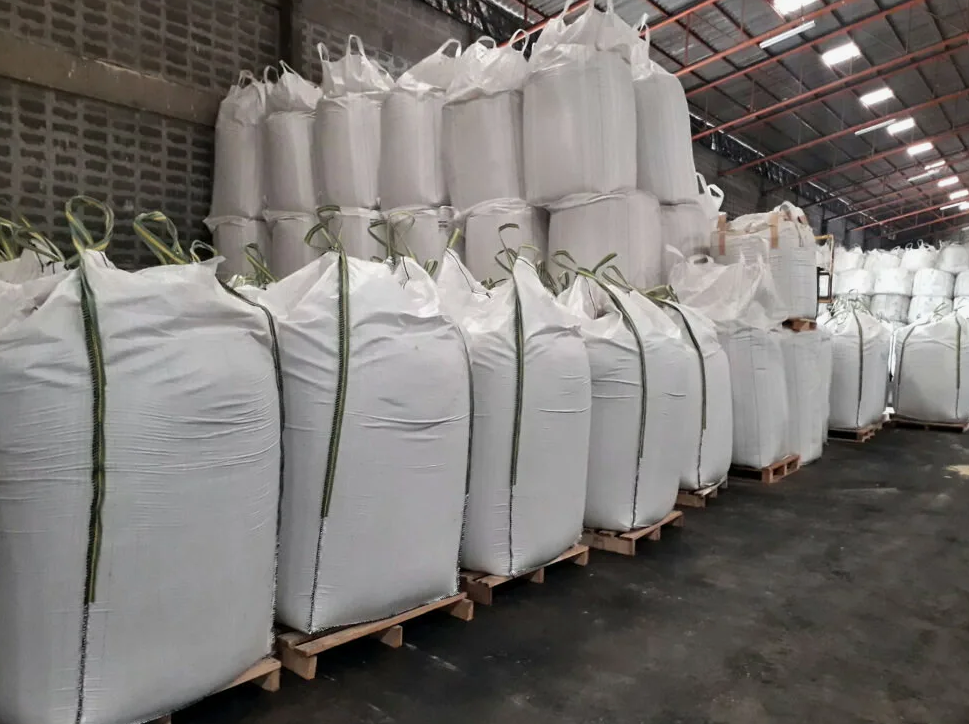
Nitrogen Fertilizers
Nitrogen fertilizers supply nitrogen to boost leaf and stem growth and are necessary for modern large scale agriculture.
- Urea: High-nitrogen solid granule made from ammonia and carbon dioxide.
- Ammonium Nitrate: High-grade straight nitrogen fertilizer containing both ammonium and nitrate.
- Ammonium Sulfate: Crystal or granular salt providing nitrogen and sulfur.
- Calcium Nitrate: Water-soluble salt supplying nitrogen and available calcium.
Phosphorus Fertilizers
These support root systems, flowering, and seed development.
- Diammonium Phosphate (DAP): Highly soluble combination of nitrogen and phosphorus.
- Monoammonium Phosphate (MAP): Concentrated dry source of phosphorus and nitrogen.
- Triple Superphosphate (TSP): Derived from acidulated rock phosphate without nitrogen content.
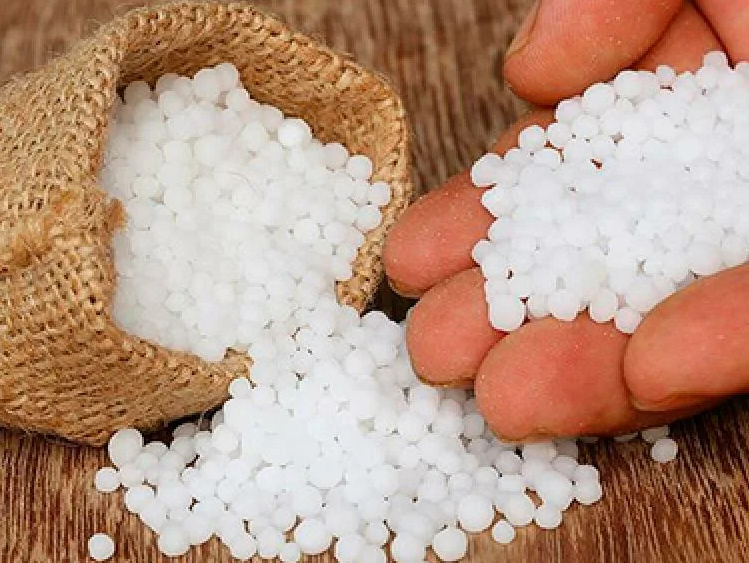
Potassium (Potash) Fertilizers
These improve disease resistance, water regulation, and overall plant vigor.
- Potassium Chloride (Muriate of Potash): The most common and economical potassium source.
- Potassium Sulfate (Sulfate of Potash): Chloride-free option preferred for sensitive crops like fruits and vegetables.
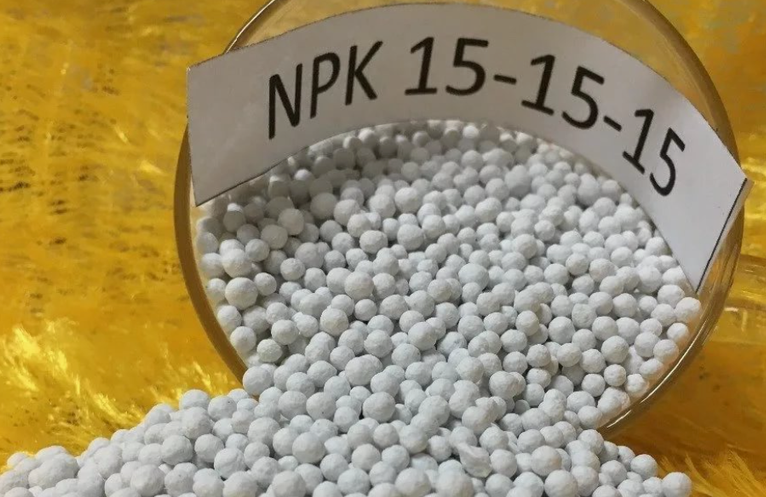
Compound and Mixed Fertilizers
- NPK Blends: Though there are several types of compound fertilizers, Solarim primarly deals with NPK, these are factory-mixed granular or liquid formulations containing specific fixed ratios of all three primary macro-nutrients
Additional Links
Certainly. If you are looking for international organizations relevant to the fertilizer industry, fertilizer trade, production, statistics, and agricultural nutrient management, these are the most useful ones:
1. International Fertilizer Association (IFA)
International Fertilizer Association (IFA)
Perhaps the most important international organization for the commercial fertilizer industry. I
IFA is particularly useful for:
- Fertilizer market information and statistics
- Urea, phosphate and potash markets
- Fertilizer production and consumption
- Sustainability and decarbonization
- Industry conferences and networking
- Global fertilizer trade and market intelligence
Its IFASTAT database is also an important source of fertilizer statistics.
2. FAO — Fertilizers and plant nutrition
Food and Agriculture Organization of the United Nations (FAO)
FAO is the major UN organization dealing with agriculture, food security, soils and plant nutrition. It works closely with IFA on fertilizer statistics, sustainable fertilizer management and nutrient-use efficiency. In 2026, FAO and IFA renewed their long-term cooperation.
3. International Fertilizer Development Center (IFDC)
International Fertilizer Development Center (IFDC)
IFDC is particularly relevant to fertilizer technology, soil fertility, fertilizer markets and agricultural development, especially in Africa and Asia. It is an independent nonprofit public international organization and works on fertilizer innovation and nutrient-use efficiency.
4. African Fertilizer and Agribusiness Partnership (AFAP)
African Fertilizer and Agribusiness Partnership (AFAP)
AFAP focuses on improving fertilizer availability, agricultural input markets and agribusiness development in Africa. It is particularly relevant if you are interested in African fertilizer markets and distribution.
5. Africa Fertilizer Financing Mechanism (AFFM)
Africa Fertilizer Financing Mechanism (AFFM)
AFFM is associated with the African Development Bank and focuses on financing and improving access to fertilizer across Africa.