The Story of Ferroconcrete
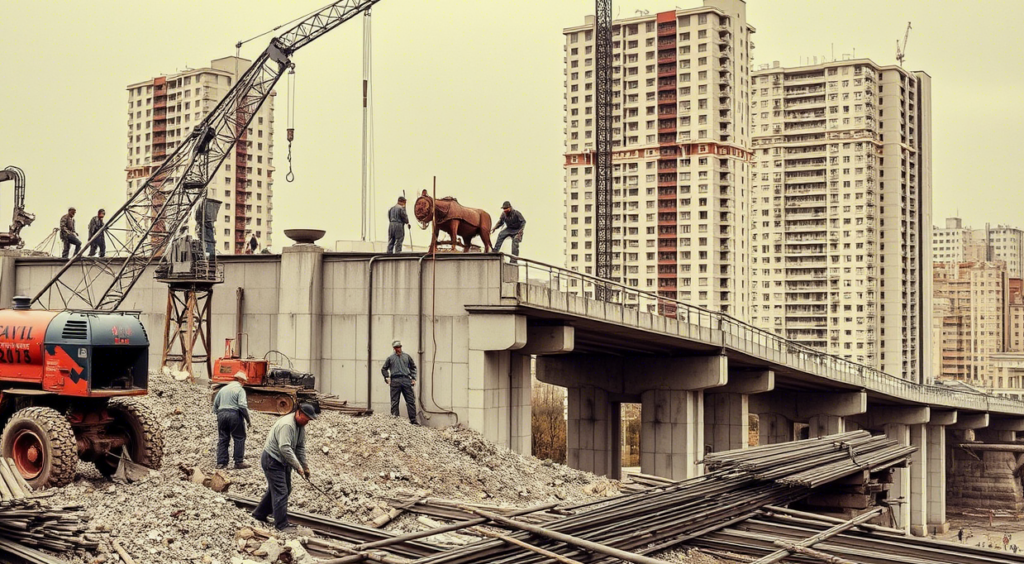
The story of ferroconcrete
Ferroconcrete is better known as reinforced concrete in the English speaking world, though some purists argue that they are not the same things (well, they are). Also, according to some sources the term ferroconcrete is more archaic. Let it be but we are going to stick to it. Ferroconcrete or the reinforced concrete is the most important construction material today.
The story of ferroconcrete or reinforced concrete is linked to France. This material, without modern civilization, is impossible originates entirely from France (like perhaps all good things in life).
The essence of reinforced concrete
For reinforced concrete or ferroconcrete you need ferrum, that is iron, nowadays in the form of steel. These are rebars or reinforcing bars, wire rod, angles, beams, hot rolled steel coil and sheet, and cold rolled sheet coil and steel, and even galvanized steel for certain applications. This article is for educational purposes only but if you or your client need steel or steel products for construction, reinforced concrete or other applications, contact one of the most reliable international suppliers of these commodities.
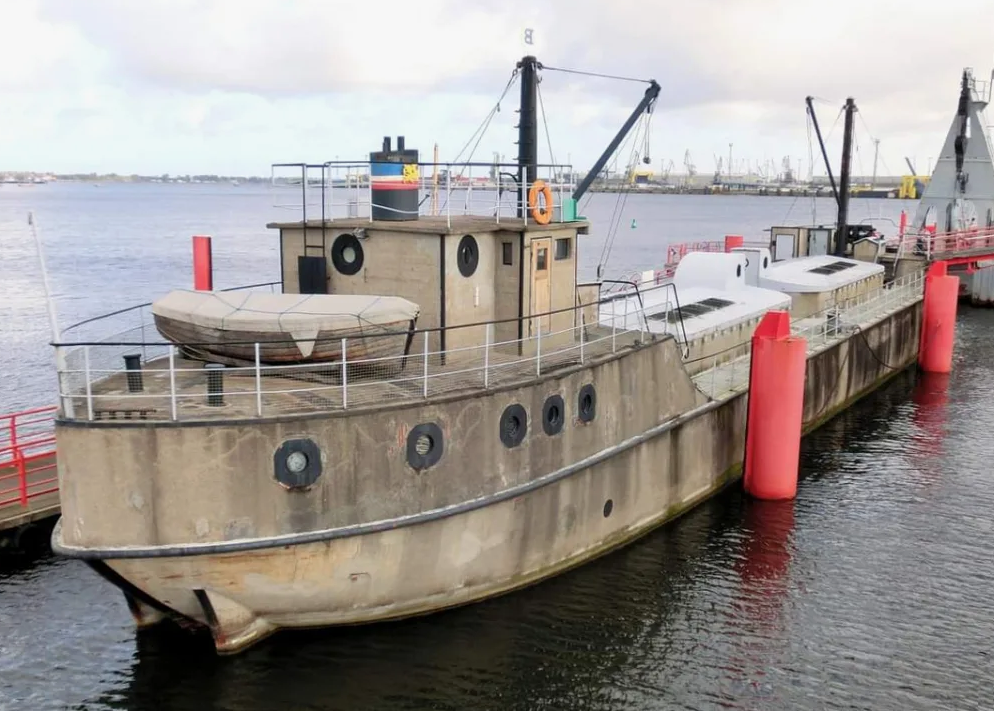
The Background
In the 1800s builders already knew that concrete was excellent for making strong foundations, walls, arches, and columns. In fact, concrete was used in construction since the Roman times. But there was a problem: concrete is weak and brittle when pulled or bent. If a concrete beam bends, cracks can develop on its underside.
The breakthrough came when smart people came up with an idea to put iron bars inside concrete. This happened in France.
1. The early idea — 1800s
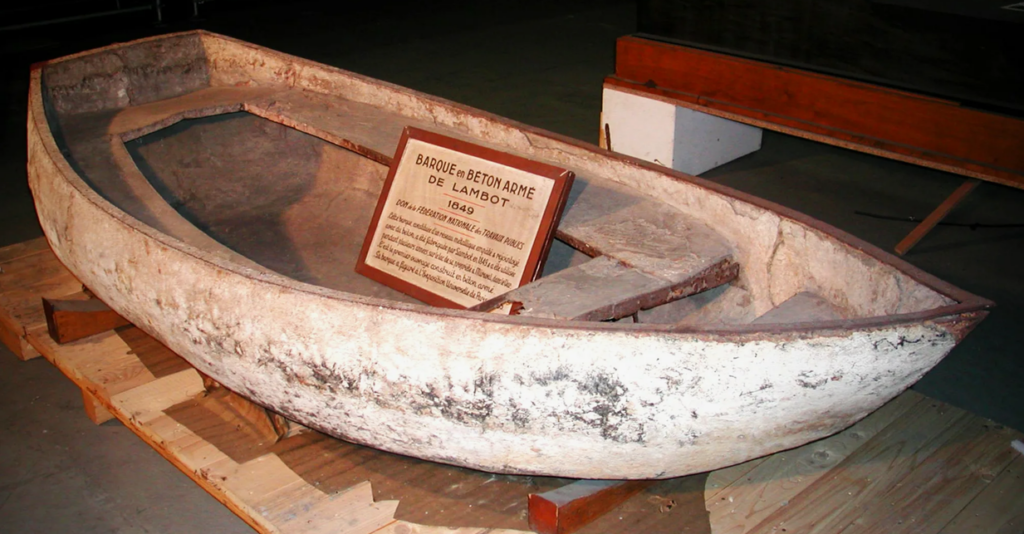
One of the earliest important examples of ferroconcrete was made by Joseph-Louis Lambot, a French inventor. From 1848 on, he began making boats using a framework of iron rods covered with cement mortar. He called the material fer-ciment (iron-cement).
His proved iron could reinforce cement and make a much stronger structure. Parallelly he discovered a new field: concrete ship building. It now fell almost in oblivion, but ships were built from reinforced concrete thanks to Joseph-Louis Lambot‘s invention.
2. Joseph Monier — the big breakthrough
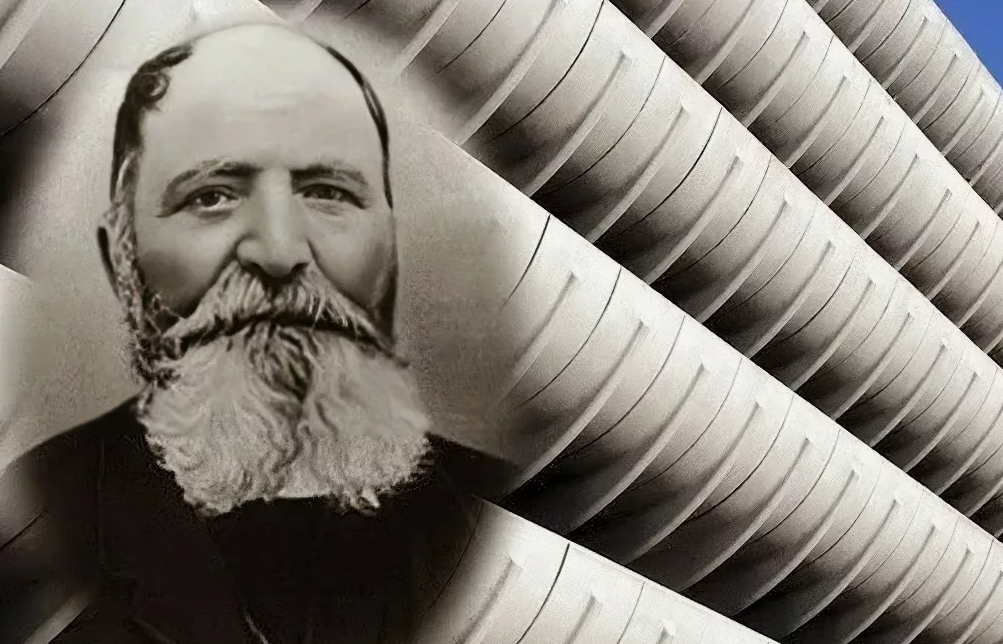
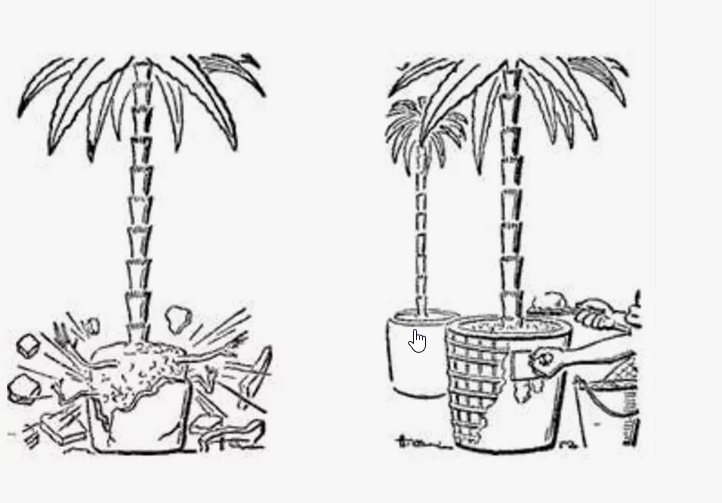
A French gardener and inventor named Joseph Monier was looking for better containers for plants. Ordinary clay pots broke easily, so he experimented with iron mesh embedded in cement.
In the 1860s, Monier patented reinforced cement products, initially for flowerpots and later for pipes, tanks, beams, bridges, and other structures.
His work helped popularize the fundamental principle of reinforced concrete:
Insert steel bars where the concrete needs help resisting tension.
3. François Hennebique — turning it into a building system
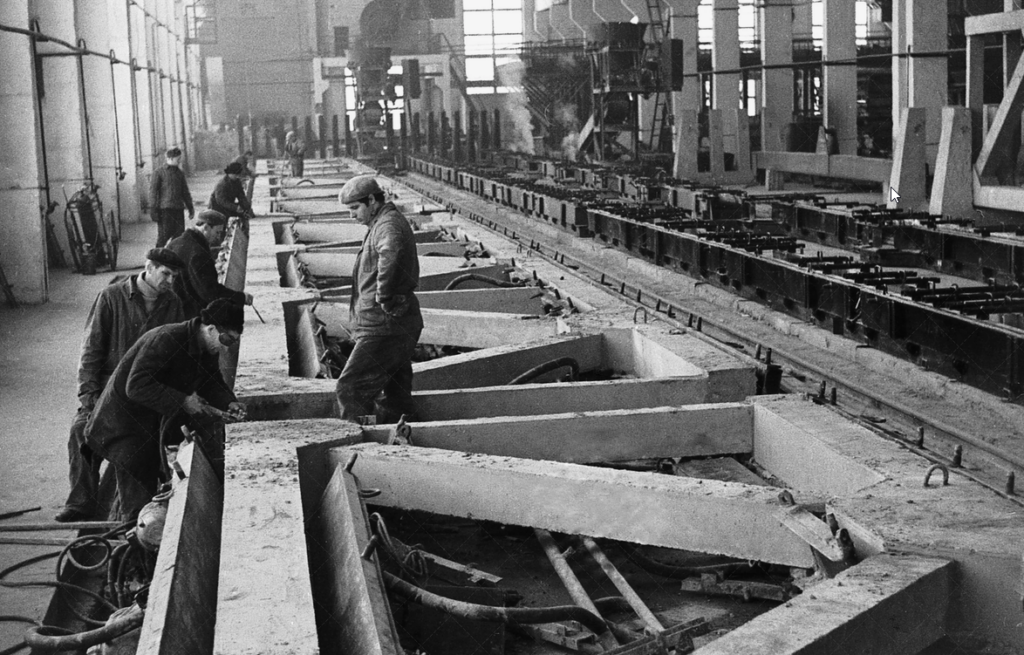
In the late 19th century, French engineer François Hennebique developed and patented systems for using reinforced concrete in beams, columns, and floors.
This was extremely important because reinforced concrete stopped being just a curious material for making garden pots or exotic boats but became a practical construction system.
Hennebique’s system spread rapidly across Europe.
4. The 20th century — ferroconcrete changes architecture
By the early 1900s, reinforced concrete was being used for:
- 🏢 Multi-story buildings
- 🌉 Bridges
- 🏭 Factories
- 🏟️ Stadiums
- 🏠 Houses
- 🚢 Ships
- 🛣️ Roads and infrastructure
Architects became particularly excited because reinforced concrete could create large spans, curves, cantilevers, and unusual shapes that were difficult to achieve with traditional masonry.
Architects such as Auguste Perret and later Le Corbusier explored reinforced concrete as both a structural and architectural material.
Why did it become so successful?
Think of ferroconcrete or reinforced concrete as a teamwork between steel and concrete:
| Material | Main strength |
| Concrete | Compression |
| Steel | Tension |
| Together | Strong structural system |
Concrete also protects the embedded steel from fire and, when properly designed and maintained, also from corrosion.
🌉 The outline of the story:
Concrete was strong but brittle → iron was added → inventors experimented with reinforced cement → Monier patented it → Hennebique developed a practical structural system → engineers and architects used it worldwide. Now it is the most essential material for construction on all continents and in all climates.
So, ferroconcrete wasn’t really invented by one person in one moment. It evolved during the 19th century through several experiments and inventions, eventually becoming the most important construction material of the modern world.